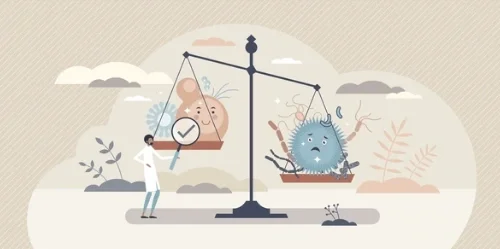
Potential role of factors like diet, medications, genetics, underlying conditions & lifestyle in creating a Proteobacteria overgrowth

Why Too Many Proteobacteria in Your Gut Can Be a Sign of Trouble: And the Everyday Factors That Can Push Them Out of Balance
Your gut is home to trillions of microbes that help digest food, train your immune system, and even support your mood. When everything is in balance, these microbes work together like a well-orchestrated symphony. But when one group starts to dominate, especially a group called Proteobacteria, that balance can shift toward inflammation, bloating, and other symptoms of gut imbalance.
This post is the "why" companion to our earlier piece, Managing Proteobacteria Overgrowth, which covers the "how": LPS, targeted herbs and probiotics, and nutrition strategies to bring levels down. Here, we look at what causes Proteobacteria to overgrow in the first place.
What Are Proteobacteria?
Proteobacteria are a large phylum of bacteria that includes some of the more common inflammatory microbes, which become problematic when they overgrow. You might recognize some of them from your results: Escherichia, Klebsiella, Enterobacter, Citrobacter, and Sutterella. Proteobacteria tend to thrive in stressed or inflamed environments, which is why researchers often see them rise when the gut barrier is weakened, after antibiotic use, or during chronic stress or illness.
Small amounts of Proteobacteria are normal. They play roles in nutrient cycling and immune training. But when they make up too big a portion of your gut microbiome, it's often a red flag that something upstream is out of balance.
Why We Don't Want Proteobacteria Overgrowth
Think of Proteobacteria as "weeds" in the garden of your gut. They flourish when other plants (beneficial bacteria) are struggling.
Too many Proteobacteria have been linked to:
Digestive symptoms: bloating, gas, and irregular stools
Inflammation: they produce molecules like LPS (lipopolysaccharide), which can trigger immune activation and contribute to "leaky gut"
Metabolic issues: higher levels are often found in obesity, insulin resistance, and fatty liver
Skin and mood symptoms: systemic inflammation from gut imbalance can influence eczema, fatigue, and even anxiety
So while Proteobacteria themselves aren't always "bad," an overgrowth signals a gut ecosystem under stress.
What Causes Proteobacteria to Overgrow?
The good news: these imbalances are usually the result of modifiable lifestyle factors. Here are the big ones, and what you can do about them.
1. Diet That Feeds the Wrong Microbes
A diet high in sugar, processed food, and excess fat encourages Proteobacteria to thrive. These bacteria love the inflammatory environment that such foods create.
On the other hand, diets rich in fiber and colorful plant foods feed beneficial bacteria (like Bifidobacteria and Faecalibacterium), which help keep Proteobacteria in check.
Try this:
Add a variety of fibers: oats, beans, lentils, flax, and vegetables
Eat polyphenol-rich foods like berries, green tea, pomegranate, and olives
Reduce processed snacks, excess animal fat, and sugary drinks
A note on fiber: some prebiotic fibers can feed certain Proteobacteria too. Start low and go slow, and if you suspect SIBO, hold off on prebiotic loading until that's been addressed. Retesting after a few weeks is the best way to see how your microbiome is responding.
2. Medications (Even From Years Ago)
A 2025 study found that certain medications can reshape your gut microbiome for years, even after you stop taking them.
Antibiotics are the biggest culprit, but proton pump inhibitors (PPIs for reflux), NSAIDs, and even antidepressants and anti-anxiety medications can alter gut pH, bile flow, and immune balance, all factors that favor Proteobacteria. One large lab screen found that nearly a quarter of drugs designed to target human cells inhibited the growth of at least one gut bacterial strain, with butyrate producers among the most sensitive and Proteobacteria among the most resistant.
What you can do:
Don't stop prescribed meds, but do review your medication history with your practitioner
Support gut repair with fiber, polyphenols, glutamine, and fermented foods (if tolerated)
If you've had frequent antibiotics, targeted probiotics or microbiome testing may help. In extreme cases, one might even consider a fecal transplant
If you've been taking PPIs, investigate the root causes of your reflux and work on a weaning plan with your prescribing practitioner
Coming off psychiatric medications too quickly can have devastating effects on the nervous system, so do not come off your medications without a plan to wean slowly and carefully
3. Genetics and Immune Sensitivity
Some people are simply more prone to inflammation or "leaky gut" because of genetic differences in immune function or gut barrier proteins. Some of the more relevant genes include TNF-alpha, IL-10, HLA-DQ, FUT2, DEFB1, and MUC2.
SNPs on these genes won't doom you, but they do mean diet and lifestyle matter even more for keeping your microbiome balanced.
Focus on:
Anti-inflammatory foods (omega-3s, turmeric, green veggies)
Good sleep and stress management
Avoiding unnecessary medications that irritate the gut
4. Underlying Conditions
Conditions such as IBS, SIBO, inflammatory bowel disease, insulin resistance, hormone imbalance, toxicity, or chronic stress all create an internal environment that favors Proteobacteria. They can increase gut permeability, slow motility, and shift bile acid flow, all things these bacteria love.
Support your terrain:
Manage stress (meditation, breathing, movement)
Prioritize hydration and regular meals
Address underlying issues with professional support, not just symptom suppression
5. Lifestyle Habits
Modern life in Western cultures quietly selects for Proteobacteria. Too little sleep, chronic stress, alcohol, isolation, sedentary days, and over-sanitized environments all reduce microbial diversity and promote low-grade inflammation.
Simple shifts help:
Get morning sunlight and consistent sleep
Get a pet (or plants)
Socialize with friends and family, or visit a sauna house (a documented way for horizontal transmission of microbes to occur)
Move daily (even walking reshapes gut microbes)
Spend time in nature, which boosts microbiome diversity
Limit alcohol and avoid excessive antibacterial products
The Takeaway
A rise in Proteobacteria doesn't necessarily mean you've done something "wrong." It's a signal that your gut ecosystem is asking for balance.
Because these bacteria thrive in stress and inflammation, restoring balance isn't only about killing them off. It's about creating the right environment where beneficial microbes can flourish again.
Feed your good bugs, lower inflammation, manage stress, and your microbiome will often begin to shift on its own. If it doesn't, there may be overarching factors that need addressing, such as medications or toxicity, and working with a practitioner can help. For targeted strategies to bring Proteobacteria down, see Managing Proteobacteria Overgrowth.
References
Aasmets, O., et al. (2025). A hidden confounder for microbiome studies: medications used years before sample collection. mSystems. DOI: 10.1128/msystems.00541-25
Maier, L., Pruteanu, M., Kuhn, M., Zeller, G., Telzerow, A., Anderson, E.E., Brochado, A.R., Fernandez, K.C., Dose, H., Mori, H., Patil, K.R., Bork, P., & Typas, A. (2018). Extensive impact of non-antibiotic drugs on human gut bacteria. Nature, 555(7698), 623-628. DOI: 10.1038/nature25979
Chelakkot, C., et al. (2018). Mechanisms regulating intestinal barrier integrity and its pathological implications. Experimental & Molecular Medicine, 50, e450. DOI: 10.1038/s12276-018-0126-x
Matar, A., et al. (2024). Intestinal Barrier Impairment, Preservation, and Repair. Nutrients, 16(20), 3494. DOI: 10.3390/nu16203494
Categories: proteobacteria Tags: